How Local Weather Shapes Solar Energy Decisions in Charlotte, North Carolina
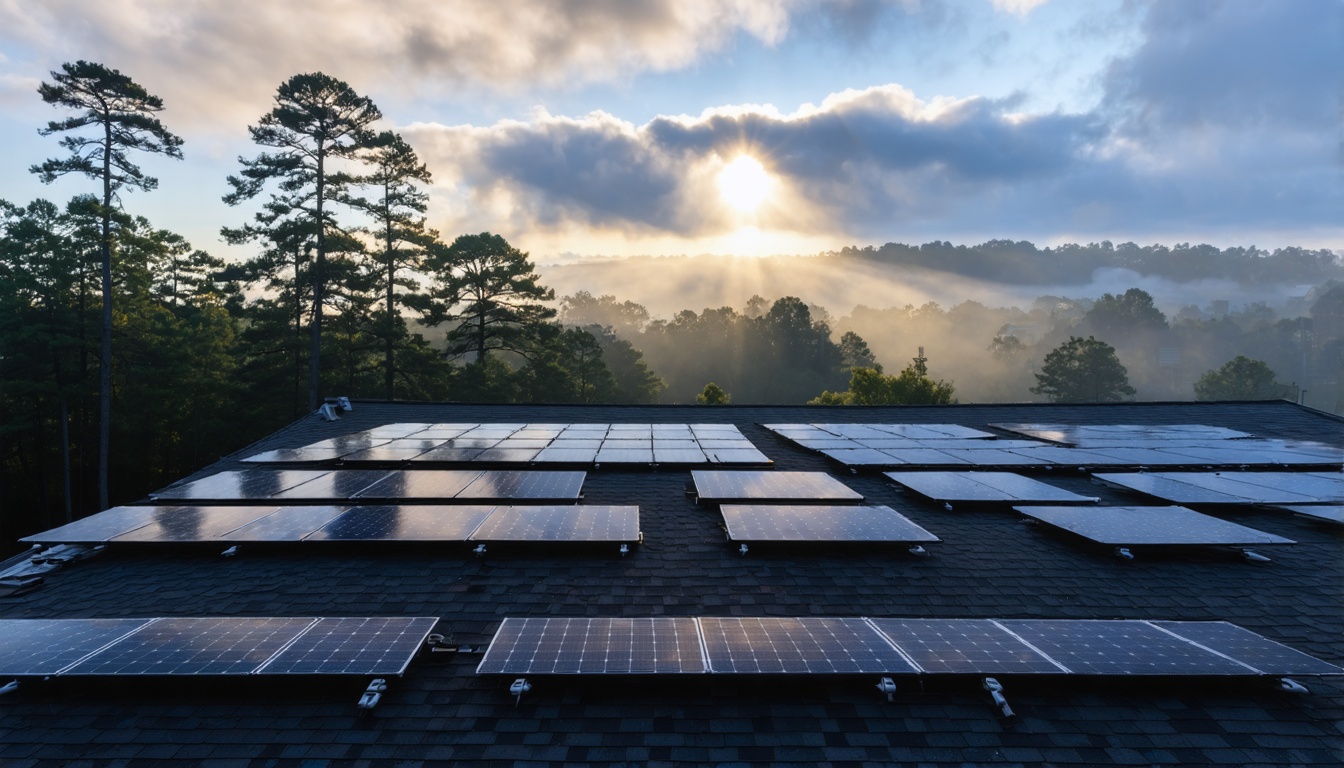
When considering solar energy for your home in Charlotte, North Carolina, the city's weather patterns are an important factor in the decision-making process. While Charlotte benefits from a significant amount of sunshine throughout the year, it also experiences summer storms and varying seasonal weather that can impact solar energy production. The effectiveness of solar panels can be influenced by local climate conditions, including heat and humidity levels, which are prevalent in the region. For instance, prolonged periods of high heat can enhance solar panel efficiency, while excessive humidity may lead to moisture accumulation and potential maintenance concerns. Additionally, the risk of severe weather events, such as thunderstorms and hurricanes, necessitates careful planning regarding the installation and durability of solar equipment. Factors such as the angle of sunlight, shading from surrounding structures, and seasonal variations must also be taken into account when determining the optimal configuration for solar panels. As a result, the decision to adopt solar energy in Charlotte involves a comprehensive analysis of these local climatic conditions, rather than a straightforward installation process. Each aspect of this process reflects an understanding of the region’s unique climate and how it may affect both the performance and longevity of solar energy systems.
Urban Heat Islands and Community Health Impacts
Charlotte's urban environment plays a crucial role in economic development but also contributes to the creation of urban heat islands, notably in neighborhoods such as McCrorey Heights. Studies indicate that temperatures in these urban areas can be over 8°F higher than those in adjacent rural regions. This variation in temperature significantly increases the demand for cooling systems, subsequently raising electricity consumption during periods of extreme heat.
The rise in temperatures has health implications that extend beyond mere discomfort; it can worsen existing health disparities. Populations with respiratory issues, such as asthma, and individuals with cardiovascular conditions are particularly vulnerable to the effects of elevated temperatures.
In light of these challenges, there are discussions about the integration of renewable energy sources, particularly within the agricultural sector in Charlotte. The utilization of solarpanelscharlotte.com and similar technologies could represent a more sustainable approach to energy provision, potentially enhancing resilience against the high energy demands that arise from urban heat.
Implementing such energy solutions may address immediate energy needs while simultaneously working towards mitigating the health impacts associated with increased urban temperatures. This approach could foster a more sustainable urban environment and contribute to a reduction in health risks for vulnerable populations.
Energy Burden and Access to Solar Solutions
The financial pressures of high energy bills present a challenge for many residents in Charlotte, especially those living in older, less energy-efficient homes. In North Carolina, variations in extreme weather conditions can lead to an increased demand for cooling systems, thereby raising electricity costs and the risk of power outages.
According to Dan, a local solar expert, installing rooftop solar panels can alleviate some of these financial burdens. Solar energy systems can effectively satisfy heightened energy requirements during extreme heat, enhancing energy security.
Programs like Solar for All aim to improve access to solar technology for underserved communities, making renewable energy solutions more economically feasible. This is particularly pertinent for agricultural operations in rural North Carolina, which often contend with substantial energy demands.
Adoption of solar power can help reduce these energy costs and improve operational efficiency. In summary, integrating solar solutions represents a practical approach to managing the financial implications of high energy expenses and bolstering energy resilience in both urban and rural areas.
Strategies for Climate Resilience and Mitigation
In response to rising temperatures and the increase in heat waves in Charlotte, local leadership and community organizations are executing strategies to bolster the city's climate resilience and mitigate the long-term consequences of climate change.
One effective measure is the expansion of rooftop solar and rural solar installations throughout North Carolina, which can fulfill energy needs while lowering electricity costs, especially during extreme weather events and power outages.
Agrivoltaic systems, exemplified by initiatives at Montgomery Sheep Farm, illustrate the feasibility of combining solar energy generation with agricultural activities.
This integrated approach can maximize land efficiency and support food production while meeting energy demands.
Solar energy’s potential is significant in North Carolina, where conditions provide ample sunlight for harnessing renewable energy.
Furthermore, the adoption of solar-powered cooling technologies can assist communities in adapting to elevated temperatures, a challenge encountered not only in North Carolina but also in many regions across the United States.
In summary, these strategies indicate a methodical approach to addressing climate change impacts, highlighting the relevance of renewable energy generation alongside sustainable agricultural practices.
Planning for Long-Term Infrastructure and Green Spaces
Charlotte's rapid growth presents several challenges for urban planning, prompting city planners to implement long-term strategies focused on balancing infrastructure development with green space preservation. A key strategy includes the adoption of permeable pavement technology in North Carolina, which aids in effective stormwater management and may help reduce the urban heat island effect. This approach aligns with the promotion of compact urban growth aimed at fostering more sustainable communities while minimizing environmental impacts.
Discussions among urban planners have also emphasized the integration of renewable energy sources, particularly solar energy, within agricultural practices. Some local rural farms have successfully incorporated solar panels alongside traditional farming methods, which addresses energy demands while supporting cooling systems.
Additionally, the installation of rooftop solar panels is being evaluated as a strategy to enhance electricity resilience, a consideration that becomes increasingly important with the rise in power outages.
To ensure the effective utilization of solar energy, it is essential to prioritize maintenance of these systems. Proper maintenance of solar power installations is crucial to maximize their efficiency and align with Charlotte's overarching goal of developing sustainable infrastructure that meets the needs of its expanding population while safeguarding environmental resources.
Expanding Tree Canopy and Urban Forestry Initiatives
City leaders in Charlotte have set a target to increase the local tree canopy to 50% by the year 2050. This initiative acknowledges the significant role urban trees play in promoting sustainability within urban environments.
In North Carolina, urban forestry initiatives aim to create cooler microclimates that can mitigate heat effects. This approach parallels strategies used in rural agriculture to manage extreme weather conditions.
Effective tree maintenance can contribute to enhanced energy efficiency in urban areas. Dan, an editor focused on urban agriculture, notes that properly maintained trees can support adjacent solar energy solutions, including solar panels and rooftop installations.
Research shows that parks and greenways serve multiple functions, fulfilling recreational needs while also providing ecological services. Urban trees have been found to reduce electricity demand during peak temperatures, which may help prevent power outages commonly associated with severe weather events in the region.
This integrated approach to urban forestry highlights the importance of maintaining a healthy tree canopy to promote both energy efficiency and resilience in urban settings.
Solar Energy Resilience During Extreme Weather Events
During extreme weather events, such as hurricanes, solar energy systems in Charlotte have exhibited a notable ability to sustain performance levels, which is particularly relevant when compared to the challenges encountered by traditional power infrastructure.
In North Carolina, both solar farms and rooftop installations have shown considerable resilience during severe weather conditions. For instance, during Hurricane Florence, solar panels suffered limited damage, and this contributed to a reduced number of power outages relative to conventional electricity sources.
This reliability is especially important for agricultural operations, particularly in rural areas where a dependable energy supply is essential for various processes, such as cooling systems for crops.
Dan, an editor of a local publication, has observed that solar energy systems can facilitate a transition toward decentralized power generation in North Carolina. When combined with regular maintenance, these systems can effectively meet energy demands and lower the risk of outages in both urban and rural settings throughout the United States.
The performance of solar energy systems during extreme weather events highlights their potential to enhance energy resilience and stability in response to climate-related challenges.
This resilience can provide a valuable alternative to traditional energy sources, contributing to greater energy security in the face of increasing climate variability.
Conclusion
When considering solar energy in Charlotte, it is important to take into account local weather patterns and climate resilience, as these factors can influence energy efficiency and production. Charlotte's climate, characterized by warm summers and mild winters, generally provides favorable conditions for solar energy generation. Incentives for solar energy installations, such as federal tax credits and local rebates, can significantly offset initial costs. Evaluating your home’s orientation, roof condition, and shaded areas is also crucial, as these will affect system output. Furthermore, considering future weather patterns and potential climate variability can inform long-term energy decisions. In recent years, technology in solar energy systems has improved, with advances in photovoltaic efficiency and battery storage capabilities, contributing to greater viability for residential solar solutions. Community support for renewable energy initiatives in Charlotte has been increasing, indicating a collective move towards sustainable practices that can benefit both individual homeowners and the broader community. By carefully assessing these aspects and staying informed about local incentives, residents can make informed decisions regarding their energy use and contribute to the broader goal of reducing emissions and enhancing energy resilience in the region.