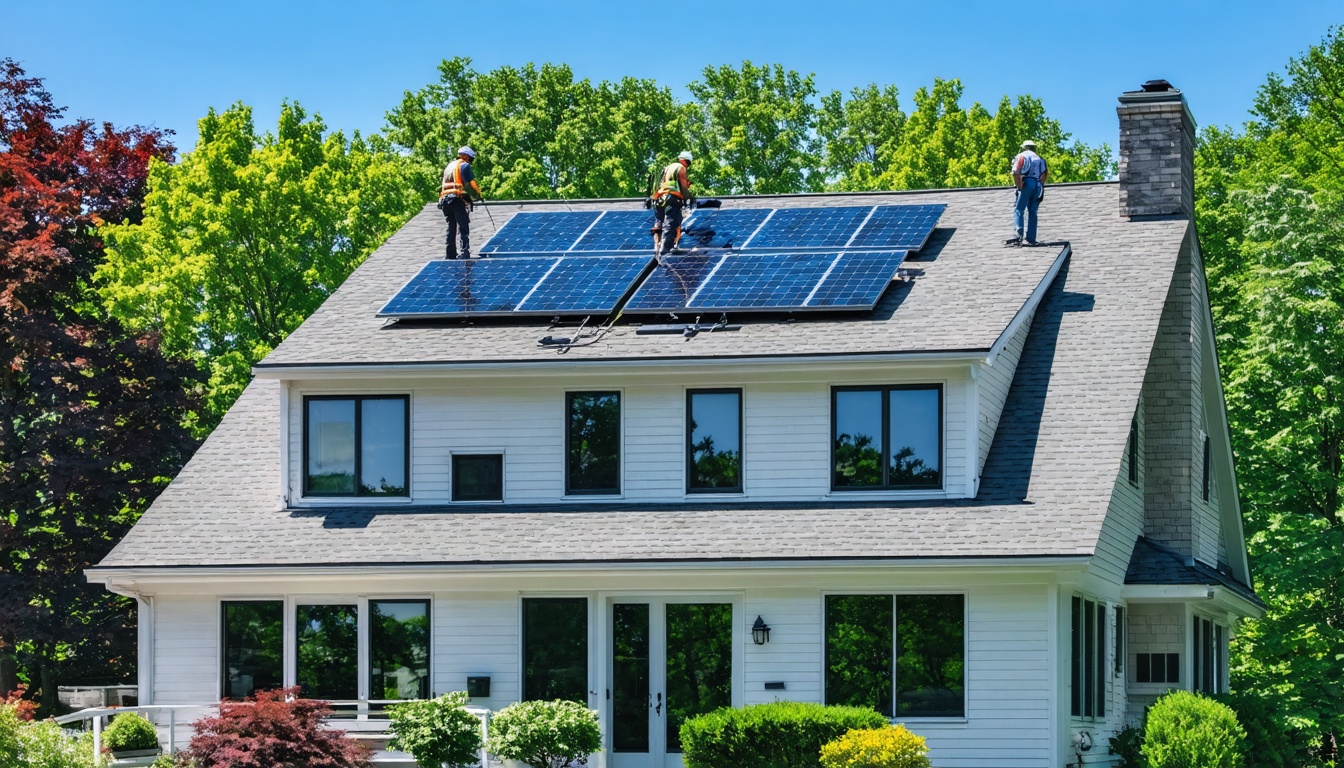
Solar Ready Roof Upgrades That Matter for Homes in Stamford, Connecticut
If you are considering solar-ready upgrades for your home in Stamford, Connecticut, it is important to assess the economic and functional benefits associated with such modifications. Proper roof upgrades can facilitate the use of solar energy, potentially lowering energy expenses and increasing the value of the property. In decision-making, several factors should be considered, including the local climate, applicable regulations, and the structural characteristics of the roof. Connecticut generally receives a moderate amount of sunlight, which can be advantageous for solar energy systems. However, effectiveness can vary significantly based on roof orientation, pitch, and shading from surrounding structures or trees. Additionally, it is essential to be aware of state incentives that may be available to homeowners for implementing solar solutions, which can further enhance the financial viability of the investment. Local building codes and permitting processes should also be reviewed to ensure compliance and avoid potential setbacks during installation. In summary, while upgrading your roof to be solar-ready can offer benefits, it requires careful consideration of these specific factors to determine the most suitable approach for your home.
Home Solar Solutions in Stamford, Connecticut
Considering solar energy for residential properties in Stamford, Connecticut, is a pragmatic option, particularly in light of the current average utility rates of 28.8¢ per kWh. For those interested in exploring Home Solar Solutions, visit Home Solar Solutions. Transitioning to solar power can result in a reduction in monthly energy costs for homeowners. Stamford has been identified as a suitable area for residential solar installation, indicating that many roofs in the region can effectively support the installation of solar panels.
To initiate the process of adopting solar energy, obtaining a detailed quote is recommended. This quote will outline the potential costs associated with the installation of a solar system and the anticipated savings over time. Homeowners may choose between outright purchasing the solar system or leasing it, which allows them to select an option that aligns with their financial circumstances.
Additionally, several financial incentives are available to homeowners considering solar installation. Federal tax credits can significantly decrease the initial installation costs, while property and sales tax exemptions further contribute to the financial viability of transitioning to solar energy.
Utilizing qualified and licensed contractors for the installation is essential. Homeowners should review relevant Contractor License Information and Privacy Policies to ensure they are informed about the qualifications and responsibilities of the installers.
For homeowners looking to optimize their solar energy investment, it may be worthwhile to investigate options such as net metering, along with battery solutions including the Tesla Powerwall. These technologies can enhance energy management and improve the overall efficiency of the solar system.
Customized Solar Plans for Residential Properties
A customized solar plan for residential properties in Stamford involves several important considerations, including the orientation of the roof and local climatic conditions, which are critical in determining the feasibility and efficiency of solar energy systems.
These residential solar panel installations are designed to maximize energy production based on the unique attributes of each property, as well as the average solar availability in Stamford, which is approximately 4.6 peak sun hours per day.
The first step in the process is the development of a comprehensive quote. This quote details the options for financing the solar system, such as a monthly lease versus a direct purchase.
The factors included in this quote comprise total costs, warranty information, and the terms of the financing agreement. Utilizing net metering can benefit homeowners, as it allows them to use excess energy generated by their solar system to offset their electricity costs. This is particularly relevant in communities like Hartford, where utility rates are generally higher.
Furthermore, the implementation of federal tax credits and various financial incentives can significantly alleviate the costs associated with adopting solar energy.
Homeowners interested in improving their energy storage capacity should also consider the option of incorporating a Tesla Powerwall battery system, which can enhance the efficiency of solar energy use during periods without sunlight.
For a comprehensive understanding of the installation process, it is recommended that homeowners verify contractor licensing and familiarize themselves with the interconnection procedures required by utility companies.
Solar Roofing Integration for Long-Term Savings
Integrating solar roofing into a Stamford home can generate electricity while potentially increasing property value and resilience. This system converts a conventional roof into a functional asset that offers protection alongside the possibility of energy savings over time.
Working with a licensed contractor is recommended to maximize potential financial benefits from solar installation, which may include federal tax credits and possible property tax exemptions.
Solar roofing systems can complement traditional solar panel installations and may be integrated with energy storage solutions, such as the Tesla Powerwall. This combination could lead to reduced monthly utility bills, lower energy costs, and the possibility of net metering agreements with local utility providers.
Homeowners may also benefit from warranties that cover the durability of the solar roofing system against local climate conditions.
Exploring various financing options, including lease agreements provided by contractors, is advisable for homeowners considering solar roofing. It is also important to understand contractor licensing requirements and review privacy policies to make informed decisions regarding solar investments.
For further information and tailored quotes, potential customers are encouraged to contact relevant contractors directly.
Site Assessment and System Design
To evaluate the feasibility of installing solar panels on your roof, a thorough site assessment is conducted by professionals. This assessment examines several critical factors, including the structural soundness of the roof, the level of sun exposure it receives, and the proximity to the electrical panel.
For properties in Stamford, the design of the solar panel system will be customized to align with the specific features of the home, while also taking into consideration the average of 4.6 peak sun hours typical for the area. This tailored approach is intended to optimize energy generation and enhance the overall efficiency of the system.
During the design phase, considerations also include drainage patterns and the method used for panel installation, which are particularly relevant due to the varying climate conditions encountered in New England.
Before installation occurs, you will receive important financial information, such as projections of energy production and potential effects on your monthly utility expenses. Additionally, details regarding available federal tax credits and other financial incentives will be provided, along with a clear outline of warranty terms.
For more information or to request a quote, please feel free to contact us with your inquiries.
Permitting, Interconnection, and Installation
The initial site assessment is a fundamental step in evaluating the feasibility of solar installation. Following this assessment, the subsequent phases focus on addressing local regulatory requirements and ensuring the operational integrity of the solar system.
In Stamford, the Residential team manages the permitting process to guarantee compliance with State Contractor License Information and local building codes.
Collaboration with the local utility company is an important aspect of the interconnection process. This step is essential for net metering, which allows for the measurement and crediting of the energy generated by the solar system against the energy consumed from the grid.
During the installation phase, certified crews adhere to established safety standards and warranty provisions, ensuring the installation is effective while meeting all relevant regulations.
Once the necessary inspections are conducted and passed, the solar system will commence generating renewable energy, potentially contributing to reduced energy expenses for homeowners. Furthermore, this process can enhance homeowners' understanding of their monthly energy bills and consumption habits.
Solar Power Costs and Leasing Options in Stamford
As electricity rates in Stamford increase, homeowners may want to assess the financial aspects of installing solar power systems. The average cost for a residential solar installation is approximately $28,049, with a typical payback period of around 7.1 years.
Leasing options available, such as those from LightReach, feature a structured payment plan beginning at $135 per month, which could prove to be less expensive compared to current utility bills. Homeowners who opt to purchase their solar system outright should be aware of potential tax incentives, such as the federal tax credit, which is scheduled to remain in effect until 2025.
When considering solar solutions, it is important to evaluate warranty terms, system lifespan, and the possibility of integrating battery solutions, such as the Tesla Powerwall, which can enhance energy storage capabilities.
Homeowners are advised to obtain quotes from licensed contractors and to verify contractor licensing and privacy policies. Seeking consultation with industry professionals can provide valuable insights regarding the long-term impact of solar power on energy costs.
Connecticut Solar Incentives and Rebates
Connecticut provides a range of incentives and rebates aimed at promoting the adoption of solar energy, which can help reduce the initial costs associated with installation. In Stamford, for instance, there is a sales tax exemption applicable to all solar panel systems and battery equipment, thereby enhancing the affordability of solar installations.
Furthermore, the state offers property tax exemptions that prevent any increase in the assessed value of homes due to solar upgrades, which safeguards homeowners from elevated property taxes.
The Energy Storage Solutions program in Connecticut provides rebates for battery systems, facilitating improved energy management through devices such as the Tesla Powerwall and other similar systems.
Additionally, the state has established net metering policies with utility companies in Hartford that allow homeowners to obtain compensation for excess energy generated by their solar systems, which can help offset energy costs.
Community solar initiatives and federal tax credits further contribute to the reduction of long-term energy expenses for both individuals and businesses considering solar energy options in Connecticut.
These incentives present significant opportunities for financial savings and enhanced energy autonomy. For comprehensive information regarding specific eligibility criteria and application procedures, interested individuals are advised to seek additional resources.
Support, Warranties, and Customer Service
When considering solar upgrades for your Stamford home, it is important to assess the support and warranty coverage offered by companies such as Sunrun. Their warranties are structured to protect residential property owners by including coverage for both the roofing and solar panel systems. This comprehensive approach ensures that all components of the energy system, including the Tesla Powerwall battery, meet established long-term standards.
Sunrun has established a team dedicated to responding to frequently asked questions and providing detailed quotes. This process aims to clarify various financial aspects, such as the total cost and the available leasing options. Gaining an understanding of these factors is essential before proceeding with the interconnection process with your utility provider.
In addition, evaluating the robustness of the warranties, as well as obtaining contractor license information and reviewing the availability of ongoing support services, can assist you in distinguishing your solar energy system from others.
For further information or specific inquiries, customers can contact the company directly for assistance.
Electricity Rates and Financial Advantages of Solar
As electricity rates in Stamford have recently increased, homeowners are considering solar panel installations as a practical approach to manage their energy expenses. By installing solar systems on residential rooftops, homeowners may reduce their monthly utility bills, with estimated average savings of approximately $295 per month.
Leasing programs, like LightReach, offer a financial framework that may provide consistent payments and immediate cost savings compared to traditional utility payments. Additionally, net metering arrangements allow homeowners to receive credits for surplus energy produced by their solar systems, potentially enhancing overall financial benefits.
There are several federal tax credits and state financial incentives available that can further lower the cost of solar installations. Homeowners interested in these options can obtain updated quotes and seek answers to common inquiries from our team.
For information on contractor licenses and warranty possibilities, reaching out to us is advisable. Overall, understanding the financial implications of transitioning to solar energy can aid homeowners in making informed decisions regarding long-term financial strategies.
Conclusion
Investing in a solar ready roof in Stamford can facilitate the efficient installation of solar panels, potentially leading to long-term financial savings and increased property value. The presence of local incentives and support networks can help homeowners navigate the process of integrating solar technology, making it a more accessible option. Additionally, advancements in solar panel technology continue to enhance energy efficiency, which may contribute to reduced utility costs over time. Stamford's climate and community resources can provide practical benefits for those considering this upgrade, aligning personal investment with broader environmental goals.